

 See My Latest Article on HelloNation
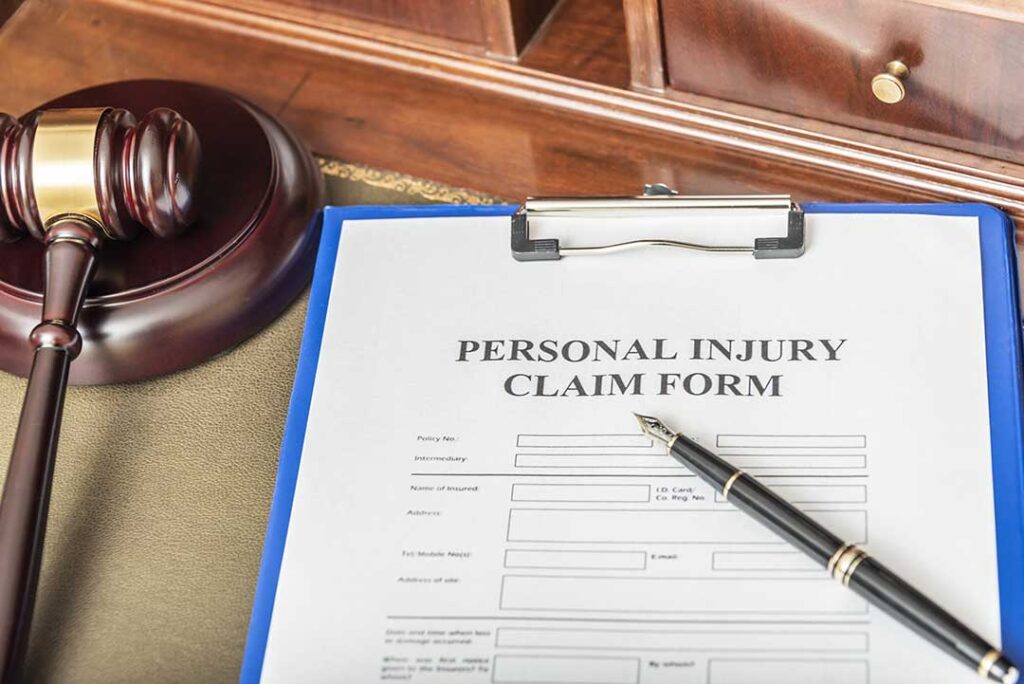
What Are Common Mistakes Made Following an Accident?
Many Eau Claire, WI residents make avoidable mistakes in the aftermath of accidents that can complicate insurance claims, delay recovery, or even affect legal rights. These missteps often stem from stress, confusion, or simply not knowing how to handle such situations. Understanding and sidestepping these pitfalls can make dealing with accidents in the community much smoother and safer.
Should You Leave the Scene of an Accident?
Never leave the scene unless remaining is unsafe due to ongoing danger. Wisconsin law requires that those involved in a collision stay at the site to exchange information with the other parties and await law enforcement if there are injuries or significant property damage. Leaving too soon can result in criminal charges—especially if injuries are involved.
Local example: Icy roads in Eau Claire can make fender-benders more common in winter. Residents sometimes assume minor bumps are not worth reporting, but failing to stop and share information is a legal mistake regardless of severity.
How Much Should You Say Right After an Accident?
Say only what is necessary—do not admit fault or make detailed statements until you’re calm and have all facts. Admitting blame or speculating about what happened, even in casual conversations at the scene, can be used against you by insurance companies or in court later.
Practical tip: If you feel disoriented after a collision on Water Street or a rural road, stick to basic details like name and insurance information. Wait for law enforcement to help document the accident.
Why Is Immediate Medical Attention Important, Even for Minor Injuries?
Many people in the area decline medical help if they don’t feel hurt right away, believing they escaped injury. However, symptoms like whiplash, concussions, or even internal injuries may appear hours or days later. Delaying a visit to a doctor or hospital can jeopardize both health and insurance claims, as insurers may argue that injuries are unrelated or exaggerated.
Common misconception: Hoping to save money or avoid inconvenience, some skip urgent care visits after a slip-and-fall in a grocery store or wipeout on a snowy sidewalk. Prompt examination creates vital records for both recovery and documentation.
What Information Should Be Collected at the Scene?
Gather comprehensive information whenever safely possible. Many forget to document license plates, insurance cards, names, contact details, and even weather or road conditions. Taking photos of vehicles, injuries, and surroundings with a smartphone is recommended.
Key information to record includes:
- Driver’s license numbers and insurance details for all involved
- Photos of damage, location, and visible injuries
- Contact information for witnesses
Overlooked factor: In this region’s frequent snowstorms or poor lighting, high-quality photos and clear notes are especially helpful, since environmental factors can affect memory and reporting accuracy later.
Can Posting on Social Media Hurt Your Claim?
Sharing accident details or photos online may seem innocent, but these posts can inadvertently harm insurance or legal outcomes. Insurance adjusters often review public profiles for statements or images that contradict an injury claim. Even a message like “I’m fine” can be misinterpreted.
Practical advice: Wait before sharing details, and avoid discussing injuries or blame in public posts—even in neighborhood Facebook groups or chats.
What Role Does Reporting to the Police Play?
Reporting accidents to police creates an official record vital for resolving insurance claims and disputes. In Wisconsin, law requires the police to be notified if there are injuries, death, or property damage over a certain amount. Skipping this step, particularly after more serious crashes, can make it challenging to prove what actually occurred.
Area example: After collisions at busy intersections, such as those near local schools, having an officer document state of the road, witness statements, and timelines provides credibility often needed during follow-up.
Are There Deadlines or Notification Rules for Insurance?

Insurance companies usually set time limits for reporting accidents. Failing to timely notify your insurer risks claim denial or reduced compensation. Local policies commonly require prompt notice—sometimes within 24 hours, especially if an injury is involved.
Tip: Review your personal policy’s notification requirements and save the claims number in your phone. Promptly sharing all relevant details ensures coverage is protected.
When Should You Consider Seeking Legal Guidance?
While not every accident requires consulting with a legal professional, some situations make it very difficult for residents to navigate the recovery process alone. Complications often arise if:
- There are serious injuries
- Fault is disputed
- Multiple parties are involved
- The other party is uninsured
In these cases, experienced guidance can help residents understand rights and responsibilities without guesswork.
What Are Less Obvious Mistakes People Make After Accidents?
A few common missteps in the area are often overlooked:
- Failing to track lost days at work or out-of-pocket medical expenses, which can be reimbursed
- Neglecting emotional or psychological impacts that should also be addressed following traumatic events like highway accidents or dog bites
- Assuming that the insurance adjuster’s first offer will fairly cover all damages, when negotiation or additional assessment might be needed
By staying organized, documenting every stage of your recovery, and seeking clarity when uncertain, Eau Claire community members can avoid many of the frustrating errors that follow local accidents.